India’s furniture landscape is undergoing one of its biggest shifts in decades. With rising urbanisation, a boom in compact homes, and a new generation that values both style and responsibility, the country is entering the golden era of sustainable furniture. As the modular furniture market races toward an estimated ₹50,000 crore valuation by 2025, sustainability is no longer a buzzword — it is becoming the core design principle shaping materials, manufacturing, export demand, and consumer preferences.
At the heart of this transition lies a material that checks every box for sustainable furniture design: rubberwood. Celebrated by global manufacturers, interior brands, and eco-conscious consumers alike, rubberwood is emerging as the preferred choice for modern modular furniture. It provides strength, versatility, affordability, and — most importantly — deep environmental value.
Here is why sustainable furniture, powered by responsibly sourced rubberwood, is poised to dominate India’s furniture boom in 2025 and beyond.
1. Sustainable Furniture Needs Smart Materials — and Rubberwood Leads the Pack
Modern consumers want more than attractive interiors; they want furniture that supports an ethical and eco-friendly lifestyle.
To meet this demand, sustainable furniture materials must be:
-
dimensionally stable
-
easy to work with
-
lightweight yet resilient
-
aesthetically versatile
-
responsibly sourced
-
cost-effective
Rubberwood checks every criterion with ease.
Unlike traditional hardwoods like teak or rosewood — which rely heavily on forest logging — rubberwood is sourced from retired plantation trees. After producing latex for 25–30 years, these trees would typically be discarded. Instead, they are converted into high-quality timber, reducing waste and preserving natural forests.
This makes rubberwood one of the most environmentally conscious materials for:
-
modular cabinets
-
wardrobes
-
kitchen systems
-
beds, dressers, and side tables
-
shelving units
-
office interiors
-
retail fixtures
Its straight grain, creamy tone, and uniform texture allow designers to create everything from Scandinavian minimalism to modern luxury — all under the umbrella of sustainable furniture.
2. Sustainability Is No Longer Optional — It Is a Requirement
A paradigm shift is happening across global and Indian markets: sustainability has become a baseline expectation.
Consumers want products that are:
-
eco-friendly
-
responsibly manufactured
-
certified for low impact
-
durable
-
free from harmful practices
In this new reality, rubberwood stands out as one of the few materials that naturally align with sustainable furniture standards.
Its sustainability benefits include:
-
Zero deforestation: wood sourced from trees at the end of their latex life cycle
-
Circular economy impact: repurposing an existing resource
-
Low carbon footprint
-
Global certifications that meet export norms
This is why rubberwood is widely embraced by manufacturers creating:
-
eco-friendly furniture lines
-
sustainable modular kitchens
-
green-certified interiors
-
export-grade ready-to-assemble (RTA) furniture
As environmental regulations become stricter, especially in European and American markets, rubberwood’s sustainability credentials give Indian manufacturers a strong competitive edge.
3. The Export Boom Is Fueled by Sustainable Furniture Demand
India’s furniture exports recently crossed the USD 2 billion mark — and the biggest demand driver is sustainability.
International buyers increasingly prefer materials that:
-
offer consistent quality
-
meet environmental standards
-
support climate commitments
-
are affordable and scalable
-
are suitable for mass manufacturing
Rubberwood fits these requirements perfectly, making it a core material for export categories such as:
-
flat-pack modular furniture
-
kids’ furniture
-
shelving systems
-
engineered panels
-
decorative components
Retailers across Europe, the U.S., and the Middle East are shifting toward sustainable furniture collections, and Indian manufacturers using rubberwood are directly benefiting from this global transition.
4. Affordability + Sustainability = The Perfect Market Match
As 2025 approaches, one major challenge is reshaping the Indian furniture industry: the rising cost of traditional hardwoods.
Prices continue to surge due to:
-
limited forest access
-
high import duties
-
global shipping volatility
-
scarcity of premium hardwoods
Sustainable furniture demands materials that do not compromise affordability — and rubberwood achieves that balance.
Benefits include:
-
controlled raw material costs
-
stable pricing
-
higher margins for manufacturers
-
increased competitiveness
-
scalability for modular production
This cost advantage is one of the key reasons rubberwood is becoming the backbone of sustainable furniture production across India.
5. Modern Processing Techniques Make Rubberwood a Durable Sustainable Choice
Sustainable furniture must not only be eco-friendly but also durable and long-lasting.
Today’s rubberwood undergoes advanced processes such as:
-
controlled kiln drying
-
anti-fungal treatments
-
anti-borer treatments
-
moisture optimization
-
climate-specific conditioning
This results in a material that is:
-
resistant to warping
-
resistant to shrinkage
-
resistant to cracking
-
resistant to pests
Colonial Hardwoods supplies premium-quality rubberwood that meets these strict durability standards, making it ideal for both residential and commercial sustainable furniture projects.
6. Engineered Rubberwood Panels Are Transforming Modular Manufacturing
Sustainable furniture is not restricted to solid wood. The industry increasingly depends on engineered, efficient, and large-format materials.
Rubberwood offers:
-
finger-jointed panels
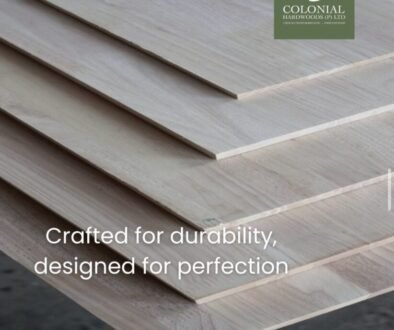
-
laminated boards
-
furniture-grade sheets
-
edge-glued panels
-
large uniform boards for CNC cutting
These engineered products provide:
-
consistent strength
-
predictable machinability
-
an efficient surface for finishing
-
ideal compatibility with modular factory machinery
Whether it’s edge banding, CNC routing, lamination, or rapid assembly, rubberwood panels are revolutionizing how sustainable furniture is produced at scale.
7. Sustainable Furniture Must Look Beautiful — and Rubberwood Delivers
One of the biggest reasons rubberwood is succeeding in the sustainable furniture movement is its natural aesthetic charm.
Key visual advantages include:
-
smooth, uniform grain
-
elegant light colour
-
compatibility with global design styles
-
ability to absorb stains and finishes beautifully
It accepts:
-
matt finishes
-
polishes
-
stains
-
paints
-
laminates
-
coatings
This versatility gives designers complete freedom while staying true to sustainability goals.
Conclusion: Sustainable Furniture Is the Future — and Rubberwood Is Powering the Transformation
India’s journey toward modern living, efficient modular design, and environmental responsibility has made sustainable furniture the new gold standard. Rubberwood — with its eco-friendly origins, strength, affordability, and aesthetic appeal — is emerging as the defining material of this movement.
As India prepares to lead in both domestic and export modular furniture markets, the demand for sustainable materials will only grow stronger. For manufacturers, designers, and exporters looking for reliable, premium-grade, eco-conscious wood solutions, the message is clear:
Sustainable furniture is the future. Rubberwood is the material that will get you there. And Colonial Hardwoods is ready to supply it.
To explore more, visit our website: colonialhardwoods.in